An air conditioner that stops cooling normally can be frustrating, but the notes you make before the appointment can give the technician a much clearer starting point. The goal is not to diagnose the equipment yourself. It is to describe what changed, when it changed, and how the system is behaving now. A short, factual record helps separate a steady problem from an intermittent one and keeps important details from being forgotten when service begins.
Describe the Comfort Problem Precisely
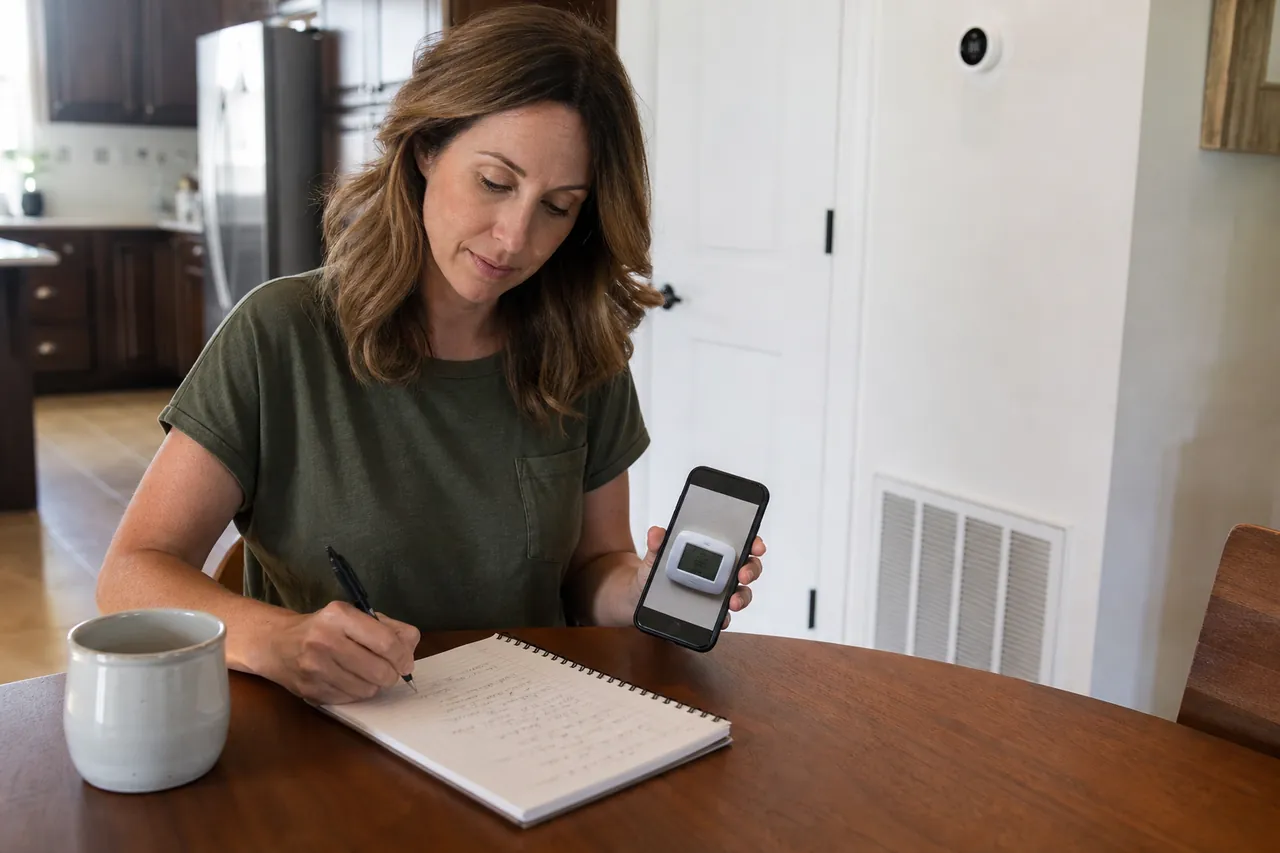
Start with the rooms affected and what “not cooling” means in your home. Is the air from the supply vents warmer than usual, is airflow noticeably weaker, or does the system run without reaching the thermostat setting? Note whether every room is affected or only one part of the house. Record the thermostat mode, set temperature, and displayed indoor temperature without repeatedly changing the controls.
Timing matters as well. Write down when you first noticed the change and whether it happens continuously or only during certain parts of the day. If the equipment starts and stops, note the approximate pattern. These observations are more useful than guessing which component may have failed.
Record Sounds, Odors, and Visible Conditions
From a safe position, listen for sounds that are new or different, such as repeated clicking, rattling, or a fan that seems to start and then stop. Describe the sound in ordinary language and identify whether it seems to come from the indoor or outdoor equipment. If there is an unusual odor, note when it appears and whether it is limited to one room.
You may also record visible water near the indoor unit, ice that can be seen without removing a panel, or debris restricting the open space around outdoor equipment. Photographs can preserve these conditions, but do not open covers, touch wiring, clear ice, or reach into equipment to obtain a better image. If you see smoke, sparking, or another immediate hazard, move away from the equipment and seek appropriate help.
Gather Basic System Information
If labels are safely accessible, photograph the model information on the indoor and outdoor units. Have recent service notes available, especially if the concern began after maintenance, a thermostat change, electrical work, or another project in the home. Mention any known power interruption and the approximate age of the filter, but leave internal inspection and testing to the technician.
Also think about ordinary household changes. Closed doors, moved furniture, blocked grilles, or a major change in occupancy can affect what you feel in individual rooms. Reporting these facts does not assign a cause; it gives the contractor useful context for evaluating the complete comfort system.
Prepare Access Without Disturbing Evidence
Clear a normal walking path to the thermostat and equipment if you can do so without moving hazardous or heavy items. Secure pets and identify any gate, locked room, or occupied space that may affect access. Do not wash the outdoor unit, reset breakers repeatedly, or make last-minute equipment changes. The condition that produced the concern is valuable evidence.
Before the visit, condense your notes into a simple timeline and a list of affected areas. A good record tells the HVAC contractor where to begin while leaving diagnosis to on-site testing. That makes the appointment more focused and helps you understand how the findings relate to the behavior you observed.