Heat pumps operate through changing outdoor conditions, so owners may notice differences across the year that do not resemble the behavior of a conventional furnace or air conditioner. Longer cycles, changes in air temperature at the vents, outdoor-unit sounds, and brief operating transitions can all prompt questions. The useful approach is to record the pattern and understand the system’s intended modes without assuming that every seasonal change is normal—or that every unfamiliar sound signals a failure.
Cooling-Season Observations
During warm weather, a heat pump transfers heat from the home to the outdoors. Owners may notice that it runs for extended periods during hotter parts of the day, especially while maintaining a steady setting. What matters is the result: room comfort, humidity, airflow, and whether the system reaches and holds the thermostat target under the conditions for which it was designed.
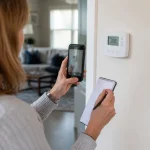
Record concerns such as a clear loss of cooling, repeated short starts and stops, unexpected water around indoor equipment, or a new sound that persists. Note the rooms affected, thermostat display, time of day, and general outdoor conditions. Avoid changing several settings at once, because that can make the original pattern harder to interpret.
Heating-Season Differences
In heating mode, supply air from a heat pump may feel less intensely hot than air from some combustion systems while still warming the home. Run times and control displays can also change as outdoor temperatures fall. Depending on the installed design, the system may use supplemental heat under certain conditions. Ask your HVAC contractor to explain how your specific thermostat indicates those modes.
Track whether the home maintains its set temperature, whether certain rooms change more than others, and whether the concern appears only at a particular outdoor condition. Do not use temporary or emergency modes as a troubleshooting experiment unless you have system-specific instructions. Controls should be evaluated as part of the installed equipment configuration.
Defrost and Outdoor-Unit Behavior
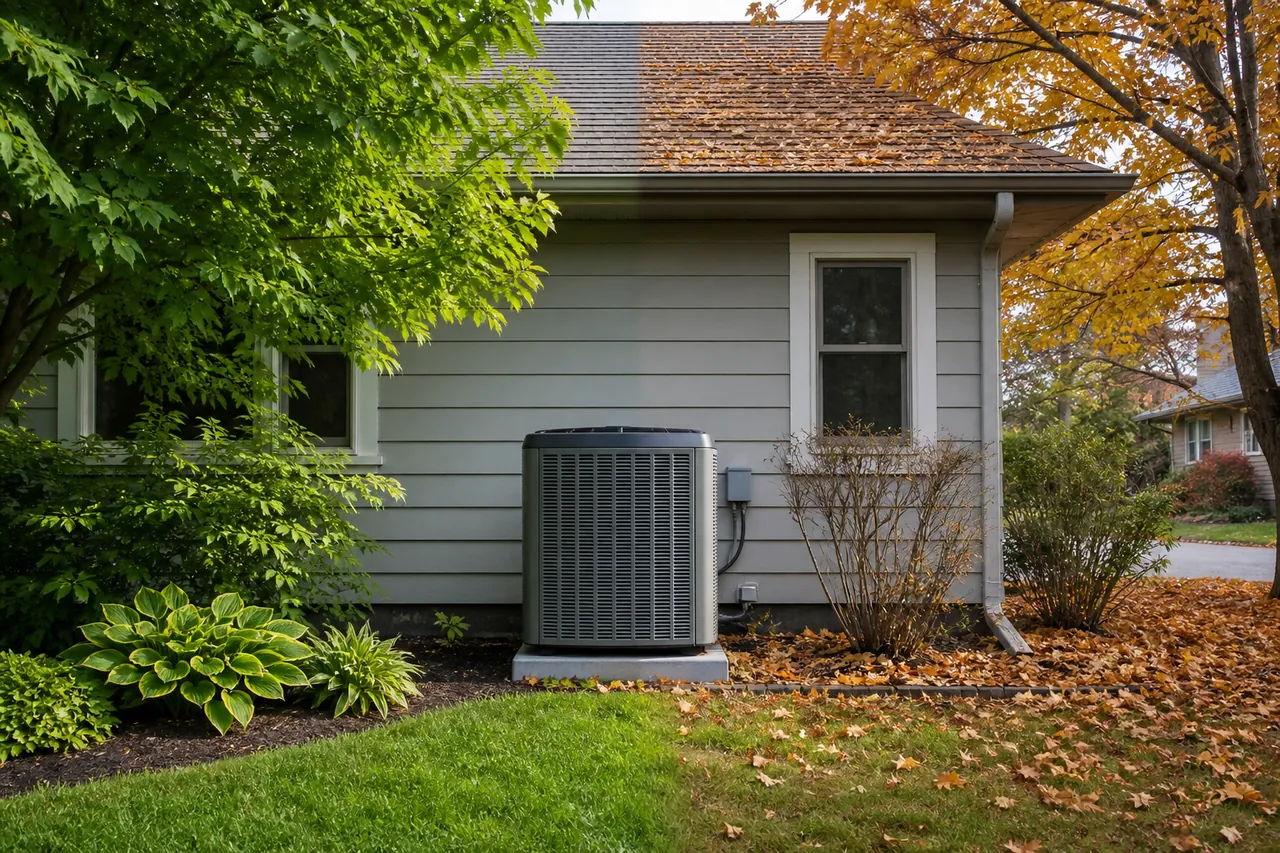
In cool, damp weather, frost can form on the outdoor coil, and many heat pumps periodically enter a defrost cycle. During that transition, the outdoor fan may stop, sounds may change, and vapor may be visible. These observations can be startling if the operating sequence has never been explained.
A light frost pattern that clears is different from ice that remains heavy, expands, or interferes with the unit. Document persistent icing from a safe distance and contact an HVAC professional rather than chipping ice, applying heat, or opening equipment. Keep leaves and stored items away from the normal surrounding clearance, but do not disturb the unit to recreate a symptom.
Create a Seasonal Reference
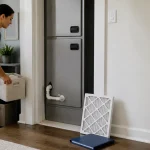
Keep a short log of thermostat settings, weather-linked observations, filter changes, service dates, and any unusual behavior. Include model information and the contractor’s explanation of normal modes for your system. Over time, this record helps distinguish a familiar transition from a meaningful departure.
Seek prompt help for electrical odors, smoke, sparking, severe noise, or conditions that appear unsafe. For less urgent changes, a precise timeline gives the technician a strong starting point. Heat-pump behavior should always be interpreted in context: the equipment, controls, distribution system, home, and outdoor conditions work together through every season.