“Indoor air quality” can describe very different experiences: visible dust, persistent odors, moisture, irritation, stuffiness, or concern after a change in the home. Starting with a product can skip the most important question—what is actually happening, where, and under which conditions? A useful conversation begins with the specific concern and considers the building, occupants, activities, and HVAC system together.
Define the Concern in Plain Language
Describe what you notice without trying to name a cause. Identify the rooms involved, the time of day, how long the condition lasts, and activities happening before it appears. Note whether it is continuous or linked to cooking, cleaning, bathing, hobbies, pets, open windows, outdoor events, or system operation.
If people experience symptoms, record the setting and timing, but do not use an HVAC visit as a substitute for medical advice. Leave any area that appears hazardous, and do not disturb suspected mold, damaged insulation, sewage, chemical residue, or other potentially contaminated material to collect evidence. Safety comes before a more complete photo.
Review Changes in the Home
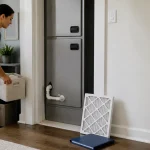
Make a timeline of recent painting, flooring, furniture, remodeling, water events, pest treatment, appliance changes, or extended periods with the home closed. Include changes to filters, thermostats, humidifiers, ventilation, and other HVAC accessories. These facts do not prove a source, but they help organize the assessment.
Moisture deserves careful documentation. Note condensation, musty odors, staining, or ordinary household humidity readings by room and date. Do not open walls, ceilings, ducts, or equipment to look for hidden moisture. If a building material or plumbing concern is involved, the appropriate evaluation may extend beyond the HVAC contractor’s role.
Understand the HVAC Contribution
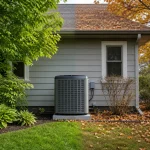
Ask how filtration, air distribution, ventilation, humidity control, equipment cleanliness, and source control relate to the concern. The answer should be specific to the home and the installed system. A filter upgrade, air-cleaning device, or ventilation product should not be presented as a complete answer to an undefined problem.
Clarify which observations the HVAC contractor can evaluate directly and which may require another qualified professional. Testing should have a defined purpose: what question will it answer, how will the result influence the plan, and what are its limits? This keeps measurements and products connected to a real decision.
Build a Useful Observation Record
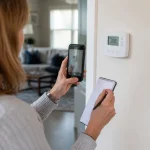
Keep a room-by-room log for a reasonable period without deliberately recreating symptoms. Add photographs of visible, safely accessible conditions and copies of product or service records relevant to the timeline. Record HVAC operating mode, general weather conditions, and household activity when the concern appears.
Notice whether the concern changes when windows are open, exhaust fans are running, or the HVAC system is idle. Report the pattern without intentionally repeating an activity that causes discomfort.
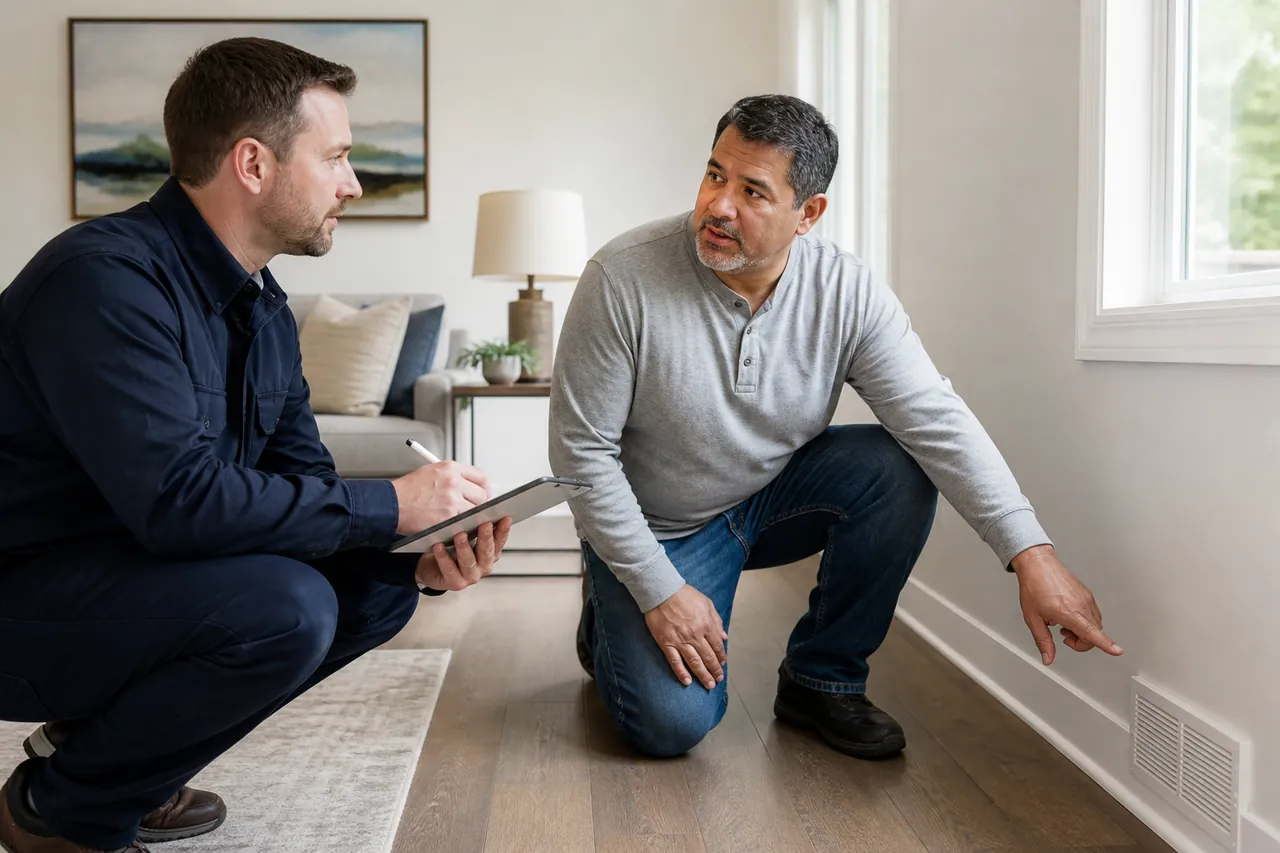
Bring the concise record to the visit and identify your desired outcome, such as understanding an odor pattern or improving comfort in a humid room. Indoor-air-quality work is strongest when it begins with evidence, acknowledges uncertainty, and separates confirmed conditions from possible contributors. That approach supports practical next steps without promising that one device or service will resolve every concern.