Different temperatures from room to room are common enough to be familiar, but that does not mean every uneven-comfort problem has the same cause. A sunny bedroom, a room over an unconditioned space, and a group of rooms with weak airflow can feel similar while involving very different conditions. Useful evaluation starts with a pattern: which rooms differ, when the difference appears, and what the HVAC system is doing at the same time.
Map the Rooms and the Timing
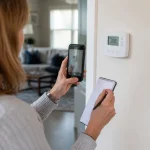
Create a simple room list rather than relying on “upstairs is hot” or “the back of the house is cold.” Note which spaces feel warmer or cooler and compare them at similar times over several days. Include the time, outdoor conditions in general terms, thermostat setting, and whether doors and window coverings were open or closed. If the issue becomes more noticeable during cooking, bathing, gatherings, or overnight occupancy, add that context.
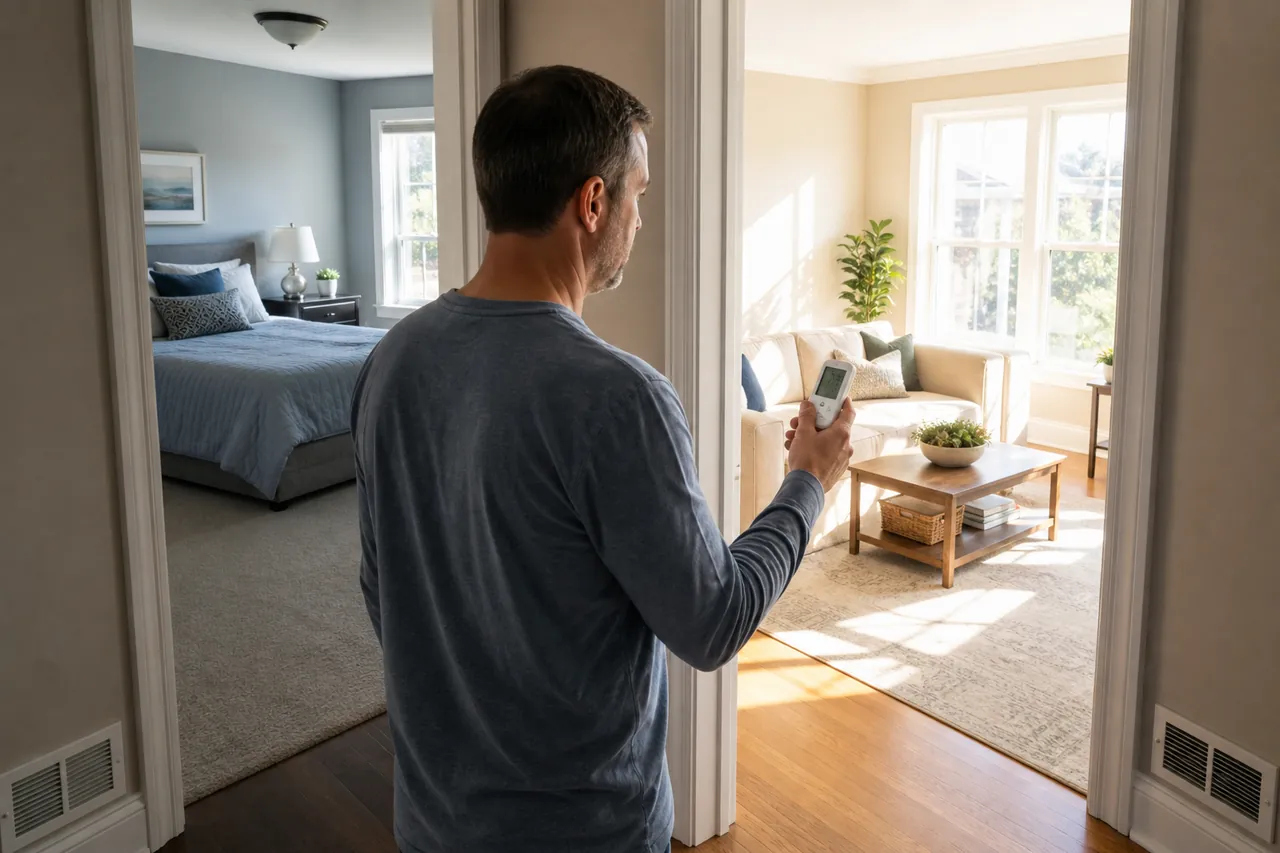
Household thermometer readings can support the record when taken consistently, but they do not need to become a technical experiment. Place comparisons in ordinary occupied areas and avoid vents, direct sunlight, or heat-producing appliances. The purpose is to describe a repeatable comfort difference, not to calculate equipment performance.
Notice Airflow Without Altering the System
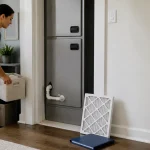
From the room, you can note whether air is readily felt at each accessible supply grille and whether a return grille appears blocked by furniture or stored items. Avoid closing multiple vents, removing grilles, reaching into ducts, or changing fan and zoning controls repeatedly. Those actions can alter the pattern the technician needs to assess.
Record recent changes to the room as well. New floor coverings, remodeled walls, replacement windows, furniture arrangements, or a change in how the room is used may affect comfort or airflow. These details should be reported even when you do not know whether they are connected. They help the contractor understand the room as part of the whole home.
Consider Controls and Seasonal Influences
A single thermostat can only measure the conditions around its location. Sunlight, drafts, nearby electronics, and doors separating the thermostat from other rooms can affect how representative that location is. Homes with zoning or remote sensors add another layer, so record the active zone, sensor, schedule, or hold status when the imbalance occurs.
Season also changes the picture. A room may gain heat during a summer afternoon or lose it during a winter night. Note whether the concern is limited to heating, cooling, or both. An HVAC contractor can then evaluate the relationship among equipment operation, control strategy, distribution, and the building rather than treating one temperature reading as a diagnosis.
Frame the Right Questions for the Visit
Ask how airflow and temperature differences will be evaluated, whether the assessment includes supply and return paths, and how the contractor will distinguish an equipment issue from a room or distribution concern. If access above ceilings, below floors, or in an attic may be relevant, clarify what can be inspected safely and what would require a separate scope.
Bring the room map and timeline to the appointment. The most helpful outcome is not a quick assumption about the warmest or coolest room. It is an explanation grounded in the home’s layout, the observed pattern, and direct testing of the parts of the comfort system that serve those spaces.