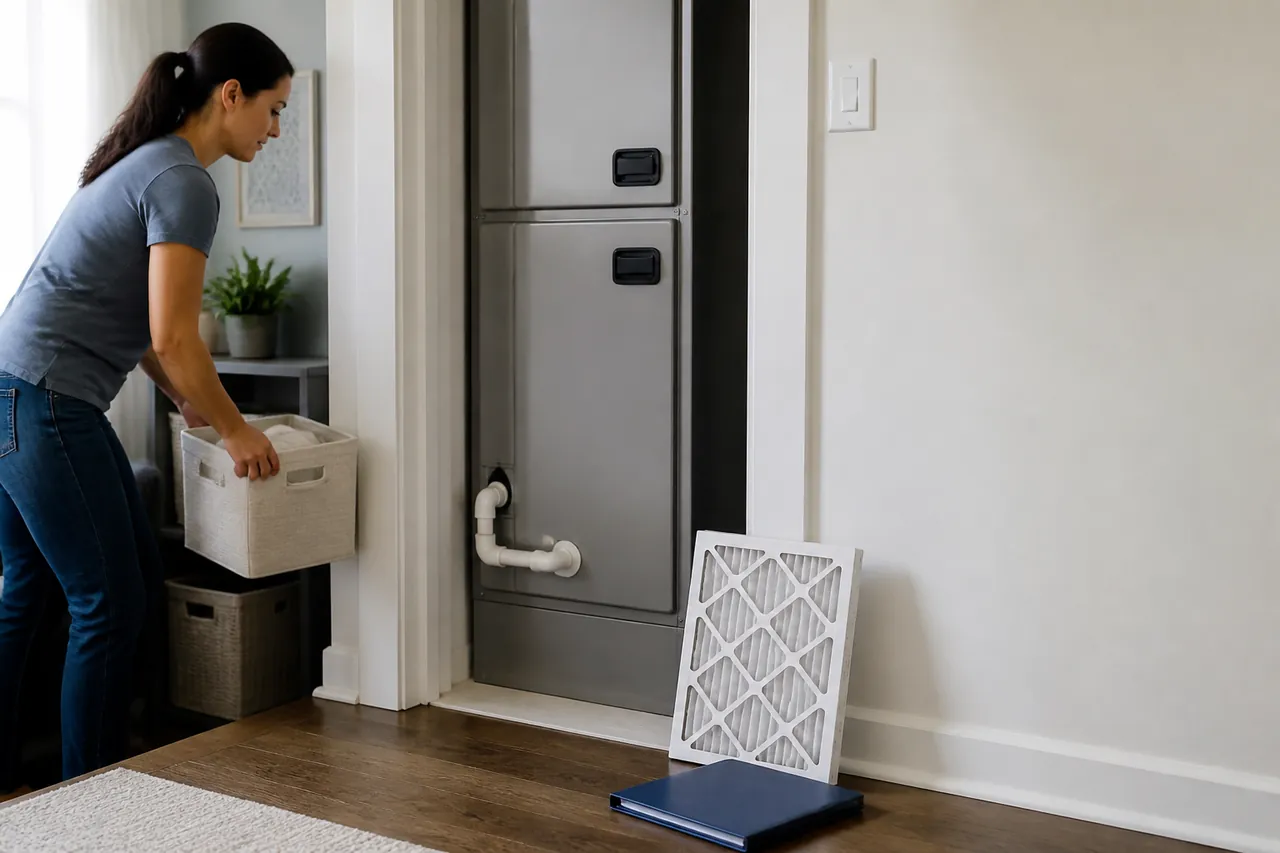
A maintenance appointment is more productive when the technician can reach the equipment, understand the system’s history, and hear a clear account of any comfort concerns. Preparation does not mean cleaning internal components or performing your own inspection. It means organizing information and making normal service areas safely accessible while leaving the equipment in the condition the contractor needs to evaluate.
Collect the System History
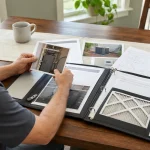
Gather recent service records, installation documents, model information, and notes about previous repairs. If your home has multiple systems, label each record by equipment location and the rooms it serves. Mention thermostat or accessory changes, electrical work, water events, remodeling, or other projects that occurred since the last HVAC visit.
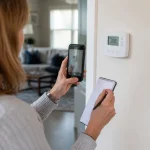
Write down concerns in specific terms. “Bedroom airflow feels weaker in the afternoon” is more useful than “the system seems old.” Include when the behavior began, how often it happens, which operating mode is involved, and whether the thermostat shows an alert. Keep repair questions separate from the planned maintenance scope so both can be discussed clearly.
Prepare Safe, Ordinary Access
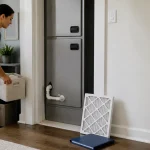
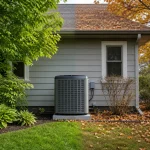
Clear a stable walking path to indoor and outdoor equipment, thermostats, filter locations, and electrical controls that are normally part of service access. Move lightweight household items only when it is safe to do so. Identify gates, locked rooms, attic or crawlspace entries, pets, alarms, and occupied areas that could affect the visit.
Do not remove panels, dismantle shelving, climb into restricted spaces, or operate disconnects to prepare. If equipment access is obstructed by a fixed finish, heavy storage, moisture, pests, or another hazard, tell the contractor in advance. That information may change scheduling, required protection, or what can reasonably be inspected.
Note Current Operating Conditions
Leave the thermostat in its ordinary mode and record its setting before the appointment. If a problem is intermittent, bring your dated notes, photos, or videos rather than repeatedly forcing the equipment through different settings. Record visible conditions such as water near the unit or persistent outdoor ice without touching equipment.
Check your homeowner record for the last filter change and have the correct replacement available only if that is part of the agreed visit. Avoid washing coils, applying cleaners, clearing drains, or making last-minute adjustments. Maintenance findings are most meaningful when the technician can see the system’s actual condition.
Decide What You Want Explained
Prepare a short question list. Ask which maintenance tasks are included, what condition was observed, and which recommendations are required for current operation versus optional planning. Request an explanation of owner-facing items such as filter access, thermostat use, and signs worth monitoring. If a finding requires work beyond maintenance, ask for a separate scope rather than assuming it is included.
If the appointment covers more than one system, prepare a separate question list for each. This prevents findings and follow-up notes from being assigned to the wrong equipment.
At handoff, keep the service summary with your equipment file and record any follow-up condition or observation period. A good maintenance visit creates a clearer understanding of the system as it exists today. Thoughtful preparation supports that result without transferring technical testing or internal service work to the homeowner.